OR Ken, Barbie, and the 50-Foot Fantasy
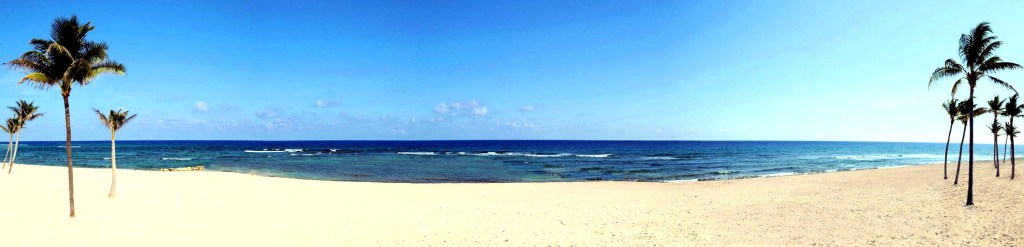
One sunny Grand Cayman morning, Ken and Barbie pulled over beside a slice of out-east Caribbean perfection: silky-soft beach, turquoise water, whispering palms, and just enough breeze to suggest destiny. Clearly, this was the place where dreams would come true — preferably with a pool, a deck and seven en-suite bedrooms generating income.
Enter Beth the Realtor, stage right. “It’s just over a third of an acre,” she said brightly, gesturing back over the piece of island. “Beach Resort Residential. Perfect for an Air B’nB.”
Ken’s eyes shimmered with spreadsheets. Barbie nodded in Pinterest.
Details such as 75-foot shoreline setbacks and 25-foot road setbacks floated gently past them like sea foam. After all, what’s 75 feet between island property entrepreneurs?
They made an offer. Ten percent down. Non-refundable deposit, said seller. No problem, said Ken. Because confidence is everything.
On the drive home, Barbie spotted a construction sign. A quick Google search later and they were shaking hands with Ranwyk Winsome, proprietor of Beyond Reality Developments & Construction — a company that promised design, build, ‘Mammoran’ wall coatings, garden services and apparently, mild miracles.
“No problem!” declared Ranwyk, with the boundless optimism of a man for whom nothing was an issue, and certainly not where a million-dollar project was about to land, especially planning regulations that involve boundary setbacks.
His first design was a magnificent three-storey blockhouse containing seven en-suite bedrooms, living and dining areas, an industrial sized laundry (think of all the washing!), sleeping attic, a large swimming pool and deck, all 3,800 square feet of ambition.
It looked fantastic.
On paper.
There was just one tiny hitch. Once you subtracted 75 feet from the shoreline, 25 feet from the road, and the required side setbacks, the buildable area resembled a generously sized beach towel.
But Ranwyk was unfazed. “Everyone gets setback relaxations these days!” he said.
Side too wide? Relax it. Road too far? Relax it. Ocean inconveniently positioned? Relax that too. As for the 75-foot shoreline rule? “No worries, man. We’ll find some cap rock. Call it ironshore. Boom — 50 feet.”
Planning application gets submitted. The Department of Environment examined the site and, with commendable politeness, noted that the ironshore was less “iron” and more “shore”, the 75-foot setback remained stubbornly 75 feet and, perhaps the applicants might consider a design that fits reality?
The matter proceeded to the Central Planning Authority.
By now, Ranwyk’s enthusiasm had retreated to a safe distance. Variances, it turns out, require “exceptional circumstances” and apparently “our house doesn’t fit” is not considered exceptional.
Ken and Barbie attended the hearing alone, armed mainly with optimism and non-refundable deposits.
The Authority declined permission. Ken and Barbie were stunned. How could planners fail to see the obvious?
The house didn’t fit — therefore the rules should move. Instead, the Authority committed the grave error of applying the law as written.
The triple-storey blockhouse with seven en-suites, laundromat, attic, deck and pool, was denied. Worse still, the deposit trembled in mortal peril.
Naturally, Ken and Barbie filed an appeal. Another board would surely recognise that ambition plus confidence equals compliance. Up to this point, professional planning or legal advice had seemed unnecessary and expensive.
After all, Beth had sounded reassuring.
Ranwyk had sounded confident. And the sea had looked magnificent.
What could possibly go wrong when optimism trumps geometry?
 Andrew Gibb Chartered Architect